
Soma MOon WEllness
Healing Together
A Companion Guide
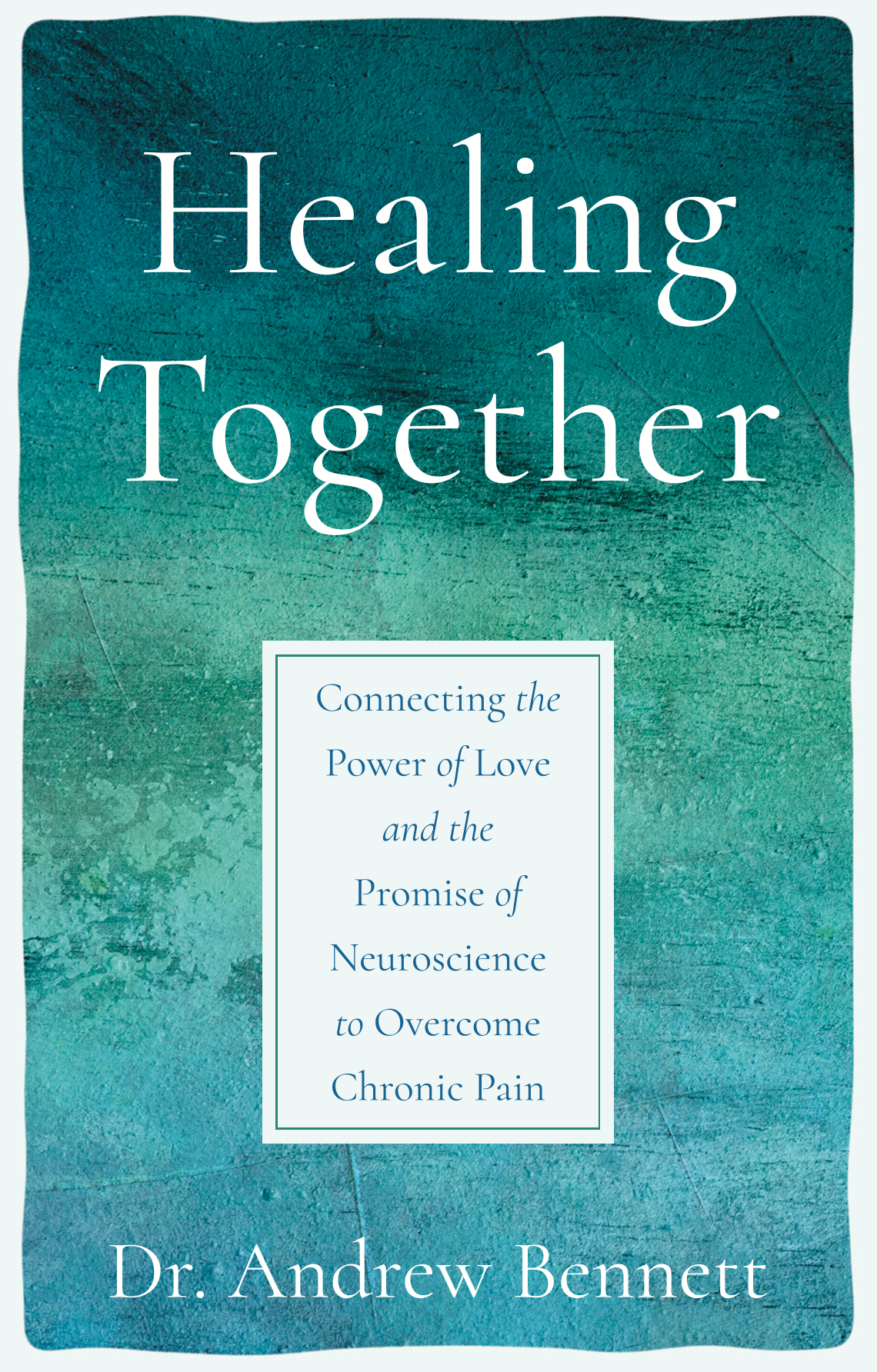

Healing Together | A Companion Guide
Connecting the Power of Love and the Promise of Neuroscience to Overcome Chronic Pain
Overview
Healing Together is a course for anyone in relationship with someone living with chronic pain including spouses, Partners, parents, children, and close friends. Chronic pain does not only affect the body. It reshapes relationships, hope, identity, and the way people relate to one another. This course offers a compassionate roadmap for relational healing grounded in neuroscience and practical, human centered tools.
Drawing from Dr. Andrew Bennett’s 25 years of clinical experience in pain neuroscience, the course explores how honesty, self efficacy, and hope form the foundation of meaningful recovery. While medicine, therapy, and procedures all play important roles, this course focuses on an often overlooked truth. Healing is relational and you are part of the process.
What You’ll Learn
How chronic pain affects both the person in pain and their Partner.
Why healing occurs within relationship, not isolation.
How to cultivate honesty as the first step toward healing and reconnection.
How to restore dignity and belief in your ability to influence change.
How self-efficacy and hope reshape the nervous system and create new pathways to recovery.
Course Structure
Each chapter of Healing Together becomes a lesson that weaves together:
Guided teaching grounded in neuroscience and lived experience
Reflection exercises to explore beliefs, emotions, and relational patterns
Practical applications to rebuild connection and restore agency
Journal prompts and downloadable resources to support honesty, nurture hope, and track progress
Why It Matters
Chronic pain can isolate, exhaust, and quietly fracture even the most devoted relationships. Over time, both Partners may feel helpless, unseen, or unsure how to move forward. Yet healing is possible through small, intentional acts of honesty, presence, and connection.
This course helps you reclaim your role as a compassionate participant in the healing process, offering a new way to relate to pain, to one another, and to what is possible. It is not about fixing someone. It is about learning how to walk together differently.
You’ll Walk Away With
A clear understanding of how chronic pain functions in the brain and body
Tools to communicate, connect, and support with compassion
Practical exercises to strengthen trust and relational resilience
A renewed sense of hope and purpose as you move forward together
Each chapter invites small, meaningful steps toward transformation, reframing what it means to heal, reconnect, and rebuild. By the end of the course, you will not only understand pain differently, but also recognize yourself and your relationship as essential parts of recovery.
This course is for anyone ready to move beyond helplessness and into the healing power of relationship. Because in the end, no one heals alone. Healing happens together.
-
-
Welcome to Healing Together
Welcome to Healing Together with Dr. Andrew Bennett—a companion course to the book that helps you understand chronic pain and the power of connection in healing. Designed for partners, families, and caregivers, this course blends neuroscience, real stories, and practical tools to restore hope, self-efficacy, and wholeness.
Welcome to Healing Together with Dr. Andrew Bennett—a companion course to the book that helps you understand chronic pain and the power of connection in healing. Designed for partners, families, and caregivers, this course blends neuroscience, real stories, and practical tools to restore hope, self-efficacy, and wholeness.
-
Introduction
In the Introduction of Healing Together, Dr. Andrew Bennett reframes healing as reclaiming wholeness—not getting fixed. Discover how dignity, self-efficacy, and hope create the foundation for lasting change. Learn how to restore connection, rebuild agency, and bring value and meaning back into your relationship.
In the Introduction of Healing Together, Dr. Andrew Bennett reframes healing as reclaiming wholeness—not getting fixed. Discover how dignity, self-efficacy, and hope create the foundation for lasting change. Learn how to restore connection, rebuild agency, and bring value and meaning back into your relationship.
-
Chapter 1 | Recovery Requires Something More
Healing doesn’t happen in isolation—it happens in relationship. In this chapter of Healing Together, you’ll explore the power of honesty, connection, and hope in supporting a loved one with chronic pain. Learn how acknowledging your own experience can open the door to shared healing and meaningful change.
Healing doesn’t happen in isolation—it happens in relationship. In this chapter of Healing Together, you’ll explore the power of honesty, connection, and hope in supporting a loved one with chronic pain. Learn how acknowledging your own experience can open the door to shared healing and meaningful change.
-
Chapter 2 | What is Pain?
Discover what pain really is—and why it’s different for everyone. In Chapter 2 of Healing Together, Dr. Andrew Bennett explains how the brain, beliefs, and past experiences shape pain. Learn to understand your Partner’s pain with compassion, deepen connection, and begin changing the way you both experience healing.
Discover what pain really is—and why it’s different for everyone. In Chapter 2 of Healing Together, Dr. Andrew Bennett explains how the brain, beliefs, and past experiences shape pain. Learn to understand your Partner’s pain with compassion, deepen connection, and begin changing the way you both experience healing.
-
Chapter 3 | Three types of pain
Learn the three types of pain—and why identifying them changes everything. In Chapter 3 of Healing Together, Dr. Bennett explains nociceptive pain, peripheral neuropathic pain, and persistent central pain in simple, clear language. Understanding the type of pain your Partner has helps you shift from fear to clarity, and from confusion to a grounded plan for healing.
Learn the three types of pain—and why identifying them changes everything. In Chapter 3 of Healing Together, Dr. Bennett explains nociceptive pain, peripheral neuropathic pain, and persistent central pain in simple, clear language. Understanding the type of pain your Partner has helps you shift from fear to clarity, and from confusion to a grounded plan for healing.
-
Chapter 4 | Treatment of Pain
In Chapter 4 of Healing Together, Dr. Bennett explains how the brain decides what deserves attention—and why pain is its strongest signal. You’ll learn how the brain filters sensation, what turns signals into pain, and how fear and past experiences shape these responses. This chapter reveals the “pain alarm system,” helping you better understand your Partner’s reactions and support their healing with confidence.
In Chapter 4 of Healing Together, Dr. Bennett explains how the brain decides what deserves attention—and why pain is its strongest signal. You’ll learn how the brain filters sensation, what turns signals into pain, and how fear and past experiences shape these responses. This chapter reveals the “pain alarm system,” helping you better understand your Partner’s reactions and support their healing with confidence.
-
Chapter 5 | Part 1 - A Blurry Homunculus
Chapter 5, Part 1 introduces the homunculus, the brain’s map of the body, and how ongoing pain can blur it. When this map loses clarity, sensations can feel widespread or unpredictable. Gentle awareness helps restore accuracy and calm pain.
Chapter 5, Part 1 introduces the homunculus, the brain’s map of the body, and how ongoing pain can blur it. When this map loses clarity, sensations can feel widespread or unpredictable. Gentle awareness helps restore accuracy and calm pain.
-
Chapter 5 | Part 2 – Homunculus Demonstration
Chapter 5 part 2 brings the homunculus to life through a practical demonstration of how the brain’s map can be retrained. Using simple tools like touch, mirrors, and mindful attention, Dr. Bennett shows how sensory feedback sharpens body awareness and reduces the nervous system’s need to send pain signals. This chapter gives you a clear, hopeful look at how neuroplasticity works—and how small, consistent exercises can help your Partner reconnect with their body in safe, meaningful ways.
Chapter 5 part 2 brings the homunculus to life through a practical demonstration of how the brain’s map can be retrained. Using simple tools like touch, mirrors, and mindful attention, Dr. Bennett shows how sensory feedback sharpens body awareness and reduces the nervous system’s need to send pain signals. This chapter gives you a clear, hopeful look at how neuroplasticity works—and how small, consistent exercises can help your Partner reconnect with their body in safe, meaningful ways.
-
Chapter 6 | Your Partner’s Brain Lives on High Alert
Experience how persistent pain trains the brain to live on “high alert.” In Chapter 6, Dr. Bennett uses a powerful submarine sonar analogy to show why your partner’s nervous system often reacts like danger is approaching—even when the signal is harmless. Understanding this alarm system helps you support your partner with empathy, steadiness, and safety.
Experience how persistent pain trains the brain to live on “high alert.” In Chapter 6, Dr. Bennett uses a powerful submarine sonar analogy to show why your partner’s nervous system often reacts like danger is approaching—even when the signal is harmless. Understanding this alarm system helps you support your partner with empathy, steadiness, and safety.
-
Chapter 7 | Energy and Capacity
Explore why chronic pain drains energy so quickly and why your partner’s capacity may feel smaller than it used to. In Chapter 7 of Healing Together, Dr. Bennett explains the boom-and-bust cycle, survival mode, and the importance of rebuilding recovery rhythms. Understanding energy and capacity helps you support healing with more clarity, compassion, and steadiness.
Explore why chronic pain drains energy so quickly and why your partner’s capacity may feel smaller than it used to. In Chapter 7 of Healing Together, Dr. Bennett explains the boom-and-bust cycle, survival mode, and the importance of rebuilding recovery rhythms. Understanding energy and capacity helps you support healing with more clarity, compassion, and steadiness.
-
Chapter 8 | Change, Safety, and Catastrophization
Learn why persistent pain makes the brain predict the worst—and how safety helps reverse the cycle. In Chapter 8 of Healing Together, Dr. Bennett explains catastrophization, fear, and the role of safety in changing the pain experience. Discover how to support your Partner with steadiness and understanding as the brain learns a new way to interpret sensation.
Learn why persistent pain makes the brain predict the worst—and how safety helps reverse the cycle. In Chapter 8 of Healing Together, Dr. Bennett explains catastrophization, fear, and the role of safety in changing the pain experience. Discover how to support your Partner with steadiness and understanding as the brain learns a new way to interpret sensation.
-
Chapter 9 | Opioids
Opioids can be both a source of relief and a source of fear—especially in the world of persistent pain. In Chapter 9 of Healing Together, Dr. Bennett explains how opioids interact with the nervous system, why they often lose effectiveness over time, and how they can sometimes increase sensitivity instead of reducing it.
Opioids can be both a source of relief and a source of fear—especially in the world of persistent pain. In Chapter 9 of Healing Together, Dr. Bennett explains how opioids interact with the nervous system, why they often lose effectiveness over time, and how they can sometimes increase sensitivity instead of reducing it.
-
Chapter 10 | Ketamine
Ketamine isn’t just a medication—it’s an experience. In Chapter 10, Dr. Bennett explains how ketamine reduces the brain’s threat response, creating space for new perspectives and emotional relief. This chapter helps you understand what to expect, how to support your partner before and after sessions, and why safety and integration are essential for lasting change.
Ketamine isn’t just a medication—it’s an experience. In Chapter 10, Dr. Bennett explains how ketamine reduces the brain’s threat response, creating space for new perspectives and emotional relief. This chapter helps you understand what to expect, how to support your partner before and after sessions, and why safety and integration are essential for lasting change.
-
Chapter 11 | Recovery from Persistent Central Pain
Recovery doesn’t begin with the right treatment—it begins with the right practices. In Chapter 11 of Healing Together, Dr. Bennett introduces the triad that consistently leads partners out of persistent central pain: honesty, self-efficacy, and hope. Learn why these practices matter, how they work together, and why partners are often the spark that brings healing back into reach.
Recovery doesn’t begin with the right treatment—it begins with the right practices. In Chapter 11 of Healing Together, Dr. Bennett introduces the triad that consistently leads partners out of persistent central pain: honesty, self-efficacy, and hope. Learn why these practices matter, how they work together, and why partners are often the spark that brings healing back into reach.
-
Chapter 12 | The Practice of Honesty
Honesty is where healing begins. In Chapter 12 of Healing Together, Dr. Bennett explains how naming the truth—without blame or judgment—helps couples step out of confusion, shame, and fear. Learn how honesty restores connection, reveals what’s actually standing in the way of recovery, and lays the foundation for self-efficacy and hope.
Honesty is where healing begins. In Chapter 12 of Healing Together, Dr. Bennett explains how naming the truth—without blame or judgment—helps couples step out of confusion, shame, and fear. Learn how honesty restores connection, reveals what’s actually standing in the way of recovery, and lays the foundation for self-efficacy and hope.
-
Chapter 13 | The Power of Self-Efficacy
Self-efficacy is the spark that turns understanding into action. In Chapter 13 of Healing Together, Dr. Bennett explains how small, meaningful steps help break the cycle of helplessness and rebuild the belief that change is possible. Learn how tiny wins calm the nervous system, restore confidence, and create the momentum needed for long-term healing.
Self-efficacy is the spark that turns understanding into action. In Chapter 13 of Healing Together, Dr. Bennett explains how small, meaningful steps help break the cycle of helplessness and rebuild the belief that change is possible. Learn how tiny wins calm the nervous system, restore confidence, and create the momentum needed for long-term healing.
-
Chapter 14 | The Formation of Hope
Hope isn’t optimism—it’s the practiced belief that change is possible. In Chapter 14 of Healing Together, Dr. Bennett shows how hope forms through honesty, builds through small wins, and strengthens the nervous system for long-term recovery. Learn how to cultivate a grounded, realistic hope that helps both partners move forward—even when the path is difficult.
Hope isn’t optimism—it’s the practiced belief that change is possible. In Chapter 14 of Healing Together, Dr. Bennett shows how hope forms through honesty, builds through small wins, and strengthens the nervous system for long-term recovery. Learn how to cultivate a grounded, realistic hope that helps both partners move forward—even when the path is difficult.
-
Chapter 15 | Invest in the End
“Investing in the end” means seeing beyond today’s pain and choosing actions that build the future you want to share. In Chapter 15, Dr. Bennett helps you understand why persistent pain happens, what role you play in recovery, and how to take clear, compassionate next steps together. It’s an invitation to shift from fear to clarity—and to keep moving forward with purpose and hope.
“Investing in the end” means seeing beyond today’s pain and choosing actions that build the future you want to share. In Chapter 15, Dr. Bennett helps you understand why persistent pain happens, what role you play in recovery, and how to take clear, compassionate next steps together. It’s an invitation to shift from fear to clarity—and to keep moving forward with purpose and hope.
-
Chapter 16 | Closing Healing Happens Together
Healing does not happen in isolation. When insight is met with connection, guidance, and care, it becomes something you can live—not just understand. This chapter invites you to continue forward with support.
Healing does not happen in isolation. When insight is met with connection, guidance, and care, it becomes something you can live—not just understand. This chapter invites you to continue forward with support.
-

You’re not alone. Begin where your body says yes.
Wherever you are on your path, we’ll meet you there—with care, clarity, and tools for growth.